Mounting supply strains across North America’s antimony market following China’s late-2024 export curbs have spurred urgent U.S. federal efforts to build domestic output of the defense-critical mineral, putting Vancouver-based miner NevGold Corp. (TSXV: NAU) front and center as a leading candidate to ease the country’s military raw material deficit.
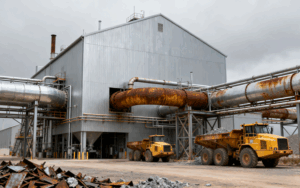
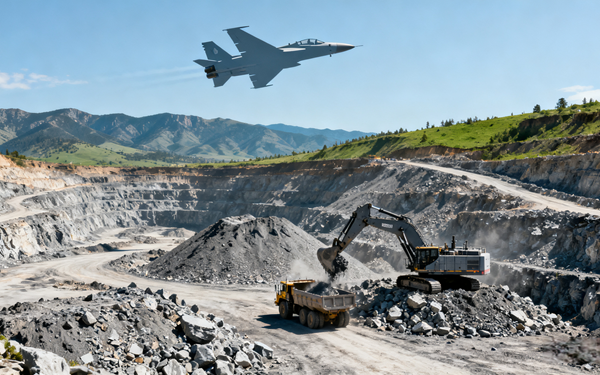
Company executives disclosed the firm zeroed in on antimony resources at its Limousine Butte asset in Nevada roughly 18 months ago. The property hosted active gold mining back in the early 1990s, when antimony held little commercial value and ore waste rich in the mineral was stockpiled above ground. Thanks to these pre-existing surface tailings ready for direct processing, NevGold avoids costly, time-consuming greenfield mine construction and slashes its development timeline substantially.
Lab testing on crushed heap-leach material returned peak antimony grades of 0.34% alongside associated gold readings of 0.41 grams per tonne. Metallurgical trials have proven up to 92% of contained antimony can be recovered from the historic waste piles, with the miner set to publish its maiden formal resource estimate by the end of June this year.
Global annual antimony consumption stands between 130,000 and 140,000 metric tonnes, with U.S. annual demand alone ranging from 30,000 to 40,000 tonnes. Currently, no operating primary antimony mines exist across North America, and the United States has long relied entirely on overseas imports where China was historically a top supplier. Washington has designated antimony a critical mineral for its widespread use in ammunition, military armor, defense hardware, clean energy hardware and semiconductors. The U.S. Permitting Council has prioritized domestic antimony development as a federal initiative, with bipartisan political backing speeding regulatory approvals for qualifying mineral projects nationwide.
Most competing antimony developments across the continent face four to six years of construction and permitting before commercial output. By contrast, NevGold’s Limousine Butte is on track to become North America’s only standalone primary antimony operation to launch production within the next 12 to 18 months. The miner continues expanding exploration across its project footprint and forecasts up to two decades of operational lifespan once production kicks off, positioning itself to integrate deeply into America’s full antimony supply chain.
Canada itself classified antimony as an essential critical mineral five years ago, opening new cross-border commercial opportunities for domestic mining enterprises. Jim Atkinson, chief executive at pure-play antimony developer Antimony Resources, noted Canada’s existing smelting capacity churns out only approximately 200 tonnes of antimony annually, a fraction of the volumes previously imported into North America and leaving vast untapped market space for Canadian producers to service U.S. demand.
Industry observers remain measured about the project’s ultimate market impact. While NevGold boasts unique perks of readily accessible surface feedstock, expedited development and favorable U.S. government policy support, a single asset cannot fully erase America’s entire antimony import shortfall in the near term. The actual scale of military supply relief the Canadian miner can deliver will hinge on finalized resource figures and successful commissioning of commercial operations at Limousine Butte.