
RPX Gold Inc. (TSXV: RPX)
Lorem ipsum dolor sit amet, consectetur adipiscing elit, sed do eiusmod tempor incididunt ut labore et dolore magna aliqua.
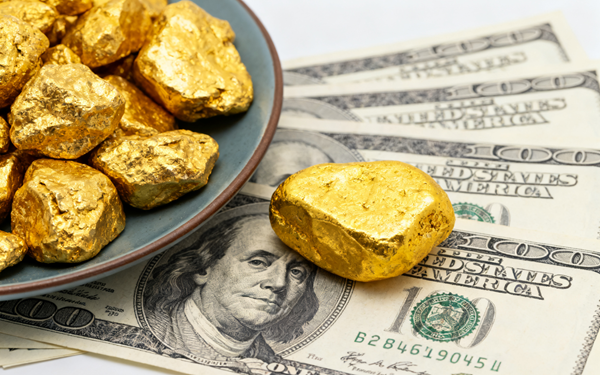
As of June 23, 2026, the precious metals market is undergoing a sharp value repricing. Spot gold remained under pressure after breaking below the $4,100/oz level, at one point during the session dipping below $4,120/oz, down more than $63 on the day, fully erasing the previous session’s gains. Silver suffered even steeper losses, falling more than 5% intraday to hover around $61.5/oz.
Rate-Hike Expectations Reshaped, Near-Term Logic Fully Reversed
The core driver behind this gold sell-off lies in the sharp pivot in Federal Reserve policy expectations. Since new Chair Kevin Warsh delivered a “more hawkish-than-expected” signal at the FOMC meeting, market pricing for a July rate hike has risen to 36%. The “rate-cut narrative” that had previously supported gold’s surge to a record high of $5,598/oz has been completely overturned, replaced by fears of “higher-for-longer” rates.
At the same time, easing geopolitical tensions in the Middle East are removing another safety net for gold. With negotiations advancing on navigation through the Strait of Hormuz, crude oil prices have retreated, draining both the “safe-haven premium” and “inflation premium” that had been priced into gold. The U.S. dollar index has strengthened accordingly. Under this confluence of headwinds, the carrying cost of gold as a non-yielding asset has risen sharply, with continued outflows from gold ETFs.
De-Dollarization vs. Rate-Hike Overhang: Long-Term Structural Support Remains Intact
Despite the heavy near-term selling pressure, confidence in gold’s long-term value has not eroded. The European Central Bank’s 2026 Annual Report on the International Role of the Euro formally confirmed that gold has surpassed U.S. Treasuries to become the world’s largest reserve asset, now accounting for 27% of global official reserves. This historic shift signals that gold is reverting from a “commodity” to the “ultimate currency.”
This trend is further validated by the latest World Gold Council survey: 45% of global central banks plan to increase their gold reserves over the next 12 months. The People’s Bank of China has now added gold for 19 consecutive months, with May purchases hitting a six-month high. Morgan Stanley noted that gold’s challenge to dollar hegemony “has no end in sight,” and the declining share of the U.S. dollar in international reserves has become an irreversible structural trend.
Institutional Divergence: Near-Term Caution vs. Long-Term Optimism
Facing the current landscape, major institutions show a clear split between short-term bearishness and long-term bullishness. Bank of America has stated that the risk of Fed rate hikes is rising, making its previous $6,000 target difficult to achieve; Goldman Sachs cut its year-end target by $500 to $4,900, adopting a “tactically cautious” stance. UBS also pointed to significantly increased downside risks, with greater uncertainty around the duration of the consolidation phase.
On the other side, Jerry Prior, portfolio manager at KraneShares, views the current pullback as an attractive entry point, arguing that the “de-dollarization” theme is structural and persistent. He expects that once Middle Eastern oil flows resume, sovereign buying will return, potentially lifting gold to $4,500/oz by year-end.
Conclusion
At this juncture, the gold market stands at the crossroads of short-term macro headwinds and a long-term monetary regime shift. Rate-hike expectations and a strong dollar present a real stress test, while the generational transition in the global reserve system provides a solid floor for gold prices. For investors, understanding the deeper logic behind this “correction”—whether it marks the end of the bull market or a coiling spring before a larger advance—will determine their strategic positioning going forward.