Zinc market focus turns to new supply, but don’t forget Quebec: Andy Home
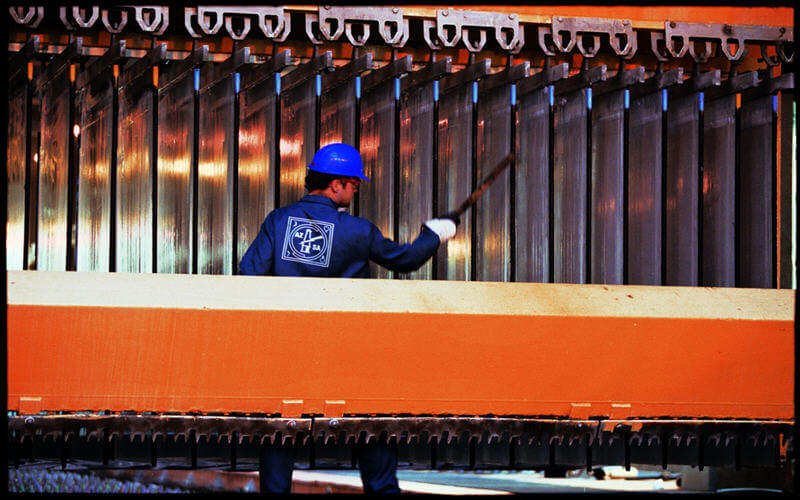
The Dugald River zinc mine in the Australian state of Queensland made its maiden shipment of concentrates earlier this month.
Once ramped up to full speed, the mine will produce around 170,000 tonnes per year of contained metal.
It is the most tangible sign yet of the coming wave of new zinc supply, timed to capitalize on decade-high prices and a structural shortfall of raw materials.
All over the world, it seems, geologists are revisiting old mine plans in a collective new zinc rush.
They’re even looking to revive the giant Century mine in Australia. Once operated by Dugald River’s owner MMG, Century’s closure in 2015 was a symbolic milestone on the road to global market deficit.
Now New Century Resources is studying whether there’s still value in the old mine’s tailings.
And then there is Glencore, which has so far held off reactivating the 500,000 tonnes of annual mine capacity it shuttered at the end of 2015.
A partial restart looks increasingly likely as the zinc market narrative turns from current supply famine to future feast.
This collective rethink of zinc’s fundamental story is reflected in London metal’s slide from the Nov. 1 peak of $3,326 per tonne to a current $3,100.
Yet in the short term at least, it’s not Queensland that will determine zinc’s fortunes but rather Quebec in Canada.
THE QUEBEC SUPPLY HIT
Quebec is home to the second largest zinc refinery in North America.
The CEZ plant, located in Salaberry-de-Valleyfield, produced 277,000 tonnes of refined metal last year. It is owned by Noranda Income Fund (NIF_u.TO) but in essence acts as a tolling operation for Glencore.
And it has been operating at reduced rates ever since its unionised workforce walked off the job on Feb. 12 this year.
The company has been maintaining production at around 50-60 percent of normal capacity but the lost units are accumulating.
Production in the third quarter of this year fell by half to 33,802 tonnes from 67,815 tonnes in the year-earlier period.
Cumulative output of 134,000 tonnes in the January-September period was down by 70,000 tonnes on last year.
This ongoing supply hit hasn’t attracted many headlines, partly because the news flow is limited to Noranda’s quarterly updates and partly because the zinc market has been so focused on events in the mining segment of the zinc supply chain.
But right now, zinc’s price performance is more linked to availability of metal than of mined concentrates.
A supply response may be building at the mine level, but tightness in the refined metal market remains the more pressing price driver, particularly for those holding short positions on the London Metal Exchange (LME).
Source: Reuters
Industrial Metals
Mining