
Kirkland Lake Discoveries Corp (TSXV:KLDC, OTC:KLKLF)
District-Scale Exploration in World-Famous Gold Camp
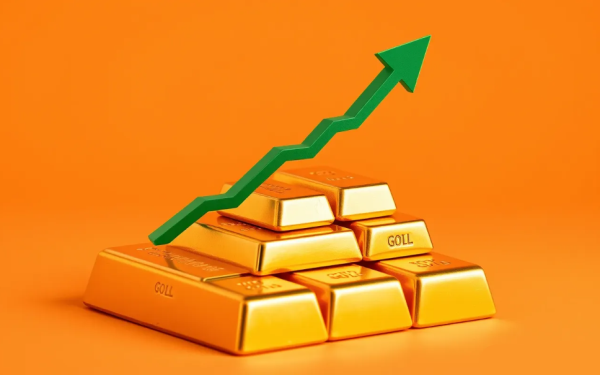
Spot gold surged in North American trading on Friday, reclaiming a key psychological level and trading near $4,174.10 an ounce, up 1.27%. Silver rallied in tandem, jumping 2.36% to around $62.27. The weaker-than-expected U.S. June nonfarm payrolls report continued to weigh on the dollar, offering crucial support to precious metals. While gold remained capped by resistance around the $4,200 mark, it held comfortably above its post-payrolls breakout level.
The macro backdrop turned mixed but net constructive for bullion. The dollar extended its post-data slide, yet the 10-year Treasury yield held firm near 4.5%, refusing to break decisively lower. Cooling labor market momentum reduced the urgency for further near-term Federal Reserve tightening, though traders still priced a material chance of an additional rate hike later this year. At the same time, normalizing shipping flows through the Strait of Hormuz and oil prices retreating toward pre-crisis levels have muted energy-driven inflation fears. Consequently, gold’s latest leg higher was powered not by fresh geopolitical panic buying, but by a repricing of dollar and interest-rate expectations.
As gold regained the critical threshold, two heavyweight institutions—HSBC and State Street Global Advisors—simultaneously sounded a bullish medium-to-long-term note, reinforcing market confidence.
HSBC Global Chief Investment Officer Willem Sels and Global Head of Wealth Insights Lucia Ku stressed that U.S. Treasury yields remain the dominant driver of gold prices. While elevated real yields and a strong dollar may keep gold range-bound in the near term, they argued that portfolio diversification demand, persistent central bank buying, and steady ETF inflows should propel prices higher by year-end. “We continue to view gold as an effective diversifier against broader portfolio risks,” the analysts wrote, maintaining their constructive stance.
HSBC Chief Precious Metals Analyst James Steel offered a behavioral perspective. Rather than signaling a failure of gold’s haven status, the recent pullback demonstrated its role as an “insurance policy” being cashed in. When energy prices spiked and rattled equity and bond markets, investors liquidated gold holdings to raise ready cash. “Gold is an insurance policy that has been cashed in,” Steel said. He also highlighted robust Chinese demand: the Shanghai Gold Exchange premium is holding around $20, the People’s Bank of China purchased 8.1 tonnes in the latest month, and institutional interest is shifting from traditional jewelry and small bars toward large bars and strategic reserves—providing a solid floor for the market.
State Street Global Advisors, in its latest Monthly Gold Monitor, delivered an explicit upside target. The report projects gold could rally to $4,750–$5,500 per ounce over the next six to nine months, with a baseline probability of 70%. Strategists led by Aakash Doshi acknowledged tactical headwinds—hawkish Fed repricing, elevated real yields, and a strong greenback—but argued that structural tailwinds are far more powerful.
They stressed that global government debt has ballooned to a record $353 trillion, and the resulting active fiscal and inflation impulses are strengthening demand for gold as a monetary hedge. Elevated stock-bond correlations, meanwhile, are pushing asset allocators to embrace gold as a liquid diversifier with low correlation to both equities and fixed income. Surging Chinese retail imports and a widening onshore premium reflect persistently tight physical supply-demand dynamics. Crucially, gold currently accounts for less than 1% of global managed fund and ETF assets—well below the 3%–10% strategic allocation State Street recommends—implying significant room for future inflows.
Near-term volatility may persist, but the combined message from HSBC and State Street paints a clear picture: in an era of dollar credit expansion and high sovereign debt, gold is evolving from a mere safe haven into an indispensable long-term portfolio allocation. The two institutions’ synchronized medium-term bullishness echoes the metal’s decisive reclaiming of the key level.