
1911 Gold Corporation (TSXV: AUMB; OTCQX: AUMBF)
1911 Gold is Manitoba’s Gold Standard - Ready, Permitted and High-Grade 1911 Gold is an Emerging Gold Producer, with Significant Cash Flow Generation and District-Scale Growth Potential
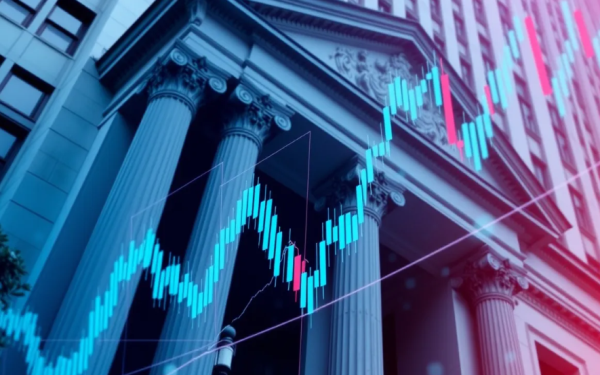
On May 15, 2026, the Federal Reserve will undergo a major leadership change – current Chair Jerome Powell will be replaced by Kevin Warsh, nominated by President Trump. This transition comes at a critical time for the U.S. economy and stock market. Market expectations suggest that Warsh’s tenure could trigger a new round of volatility, but also bring new investment opportunities.
Warsh’s policy stance differs significantly from Powell’s. On one hand, he supports the Fed’s role in controlling inflation, but he is more flexible in specific operations. He has publicly stated that artificial intelligence is a “significant disinflationary force,” meaning that even if inflation is slightly above the traditional 2% target, he would have reason to push for rate cuts. Additionally, Warsh favors using an inflation range rather than a fixed target for decision-making, which adds uncertainty to the interest rate path.
More importantly, Warsh wants to end the Fed’s practice of telegraphing its interest rate decisions. This reduction in transparency could heighten market speculation and anxiety during the transition period. And investors’ instinct is to dislike uncertainty – this is precisely the root of potential volatility.
Early signs of the so-called “Warsh trade” have already appeared in the market: bank stocks have rallied, and the 30-year U.S. Treasury yield has broken above 5%. Once he officially takes the helm, the bond market may be the first to feel the impact. If institutional investors view the Fed’s policies as leaning toward inflation, long-term bond yields will continue to rise and prices will fall, and turbulence in the bond market often quickly spills over into the stock market.
So, how should investors prepare for the Warsh era?
First and foremost, avoid overreaction or panic selling. Warsh’s actual actions may not align with market expectations, and drastic portfolio adjustments would almost certainly be counterproductive. A more pragmatic approach is to acknowledge that volatility will increase and proactively adjust portfolio structure.
Specifically, consider the following four strategies: first, diversify allocations and enhance defensiveness. Consumer staples, healthcare, and utility sectors tend to perform steadily during periods of policy uncertainty. Reduce excessive exposure to sectors that are highly sensitive to interest rates (such as some tech stocks or highly leveraged companies).
Second, if you hold bonds, short-term durations are preferable to long-term ones. Long-term bonds are more sensitive to interest rate changes. In an environment where Warsh may bring unexpected decisions, short-term bonds carry lower risk. At the same time, prioritize companies that consistently generate durable free cash flow, have stable profitability, and strong balance sheets. Such companies have greater resilience regardless of interest rate changes.
On this basis, investors should keep some cash on hand and wait for opportunities. Increased volatility often means high-quality assets are unfairly sold off. The market’s overreaction to Fed policies may temporarily cause some good stocks to trade at a discount. Investors with cash on hand can buy calmly during periods of panic.
Ultimately, Fed leadership changes do affect the stock market, but investment discipline matters more than short-term speculation. Warsh’s communication style and policy path remain to be observed, but history shows that those who maintain a long-term perspective and position rationally during periods of volatility tend to come out ahead. For ordinary investors, rather than betting on every move Warsh makes, it is better to prepare a portfolio for both defense and offense – and let time be your ally.