RPX Gold Inc. (TSXV: RPX)
Lorem ipsum dolor sit amet, consectetur adipiscing elit, sed do eiusmod tempor incididunt ut labore et dolore magna aliqua.
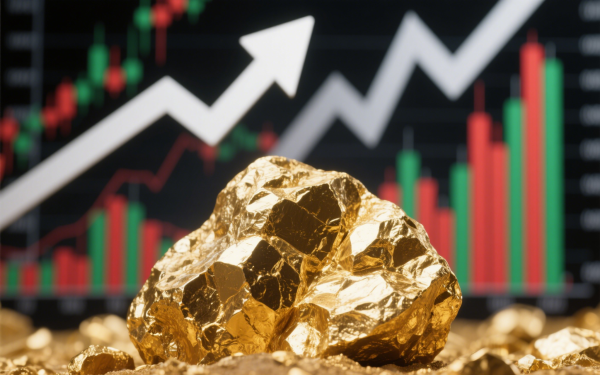
The sharp correction in the gold market over recent days has unsettled many investors. However, veteran precious metals strategist Jeff Clark believes that the current price action is “almost tick for tick” matching the legendary bull market of the 1970s – and if the historical pattern holds, gold prices could nearly triple from current levels.
In an interview with Kitco News, Clark noted that he compared the current gold bull market with the historic rally from 1976 to 1980. “The correlation coefficient between those two bull markets is 95%,” he explained. During the middle of that historic rally, gold also experienced a violent crash, followed by an immediate rebound – and the same scenario is now unfolding.
Data shows that spot gold hit an all-time high of $5,600 per ounce in January before weakening steadily. Last Friday, it broke below the 200-day moving average, a key long-term support level. Gold is currently trading around $4,125.50, down more than 3% on the day, with a year-to-date decline of 4.5%, representing a drawdown of more than 21% from its January peak.
However, Clark emphasized that this decline remains smaller than the 30% correction during the 2008 financial crisis and the 28% drop during the 2020 pandemic shock. In his view, the current weakness does not signal the end of the secular bull market. “If the bull market were to end right now, it would be the shortest bull market in modern history – all other gold bull markets have been longer than what we have experienced so far.” Based on historical averages, the current cycle still has at least two more years to run. As a result, he views the correction as a buying opportunity and revealed that he has “been aggressively adding to positions, and just recently made a large investment.”
As for the factors that have recently weighed on gold prices – the war in Iran disrupting global energy markets, soaring oil prices stoking inflation fears, and in turn pushing the Federal Reserve toward rate hikes rather than cuts – Clark offers a different perspective. He believes the market is focusing too heavily on inflation risks while overlooking the damage that higher interest rates could inflict on an already fragile economy. “If inflation really gets as bad as many mainstream analysts believe, what is the Fed’s number one tool to combat a bad economy? It’s manipulating interest rates,” Clark argued. “If the economy does get as bad as many mainstream analysts predict, in my opinion, the Fed is more likely to lower rates than raise them.”
Furthermore, Clark questioned the sustainability of aggressive Fed tightening given the federal government’s growing interest expenses. At current interest rate levels, raising rates would only make the government’s fiscal position more difficult. He concluded that the long-term structural drivers supporting gold – rising debt burdens, persistent deficits, potential monetary easing, and unforeseen geopolitical or financial shocks – remain unchanged.
Clark noted that government debt levels around the world continue to rise, leaving investors with little choice but to maintain exposure to hard assets. While the timing of gold’s next rally remains uncertain, the fundamental case for the metal remains intact.