
Pinnacle Silver & Gold Corp (TSXV: PINN)
Building a New Americas-Focused Silver and Gold Company
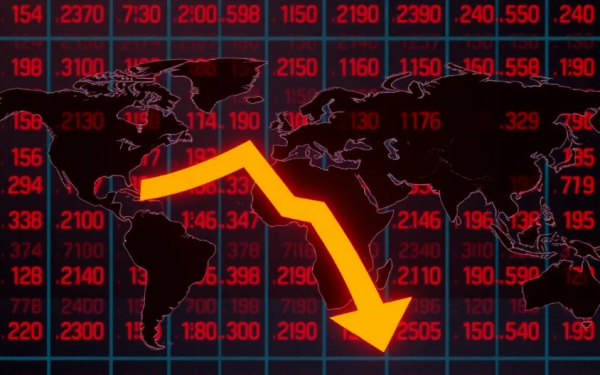
Gold and silver prices suffered their sharpest one-day decline in weeks on Thursday, with the precious metals complex buckling under the weight of escalating inflation concerns tied to rising energy costs and a hawkish repricing of central bank policy expectations.
Spot gold tumbled as much as 6% during U.S. trading hours, briefly threatening the key $4,500 per ounce level before settling near six-week lows. The selloff marks the yellow metal’s seventh consecutive daily decline—the longest such streak since 2023—leaving prices more than $1,000 below the record high reached in late January.
Silver suffered even steeper losses, plunging over 10% to break below $66 per ounce. The industrial metal has now shed more than 45% of its value since peaking at $121.65 in January, effectively cutting its year-to-date gains to negative territory at -1%, compared with gold’s still-positive 7% return for 2026.
The steep declines defy the traditional safe-haven logic that typically benefits gold during periods of geopolitical stress. Instead, traders are fixated on the inflationary implications of surging crude and natural gas prices driven by the intensifying Middle East conflict. Higher energy costs add to global inflationary pressures, reducing the likelihood that major central banks will cut interest rates. This dynamic diminishes the appeal of non-yielding assets such as bullion, particularly in an environment where real yields remain elevated.
The Federal Reserve reinforced this market recalibration on Wednesday, leaving interest rates unchanged as widely expected while signaling a significantly more cautious easing path. The Federal Open Market Committee (FOMC) now projects just one rate cut this year, citing “elevated uncertainty” stemming from the Middle East war.
Fed Chair Jerome Powell struck a decidedly hawkish tone in his post-meeting press conference, stating that rate reductions would resume only after seeing “meaningful progress” on inflation. The Fed also revised its 2026 inflation forecast upward to 2.7%. In a notable political aside, Powell confirmed he has no intention of resigning his Board seat before the conclusion of a Department of Justice investigation into the central bank.
Market participants suggest the rotation out of precious metals could extend further as investor capital shifts toward commodities more directly benefiting from geopolitical tensions.
“Gold is no longer a safe haven; it’s become a speculative asset,” said Patrick Armstrong, chief investment officer at Plurimi Wealth. “With funds continuing to rotate into energy and chemicals, there is little support for metals prices while the conflict continues.”
TD Securities commodity strategist Daniel Ghali struck a similarly cautious note, pointing to crowded positioning among institutional investors as a source of vulnerability. “Gold is now a very widely held position for institutional investors, built on the debasement trade over the last year,” Ghali told Reuters. “But the foundations of that trade are now weakening. For the near term, we continue to see risk to the downside.”
Sucden Financial analysts echoed the view, noting that while bullion may find some support from geopolitical uncertainty, “as long as oil absorbs the main safe-haven bid, upside will likely remain constrained.” Nymex crude held firm near $97.75 per barrel. The benchmark 10-year Treasury yield stood at approximately 4.25%.
Thursday’s price action draws uncomfortable parallels to the summer of 2022, following Russia’s invasion of Ukraine. That period similarly saw energy price shocks ripple through global markets, eventually contributing to an 18% peak-to-trough decline in gold as the Fed embarked on aggressive tightening. With Middle East tensions showing no immediate signs of abating and energy prices likely to remain elevated, market participants expect inflationary concerns to continue weighing on precious metals in the near term, potentially driving gold to test lower support levels.